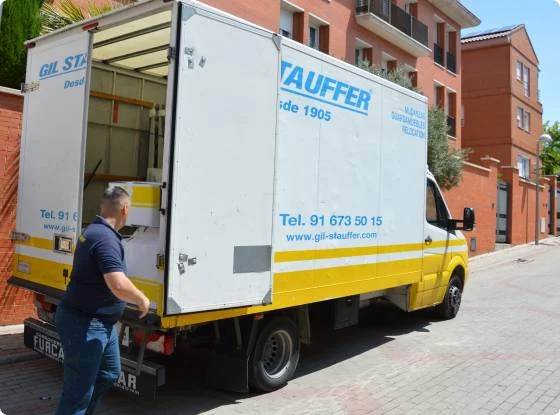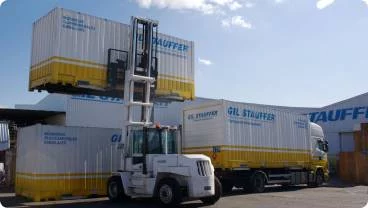
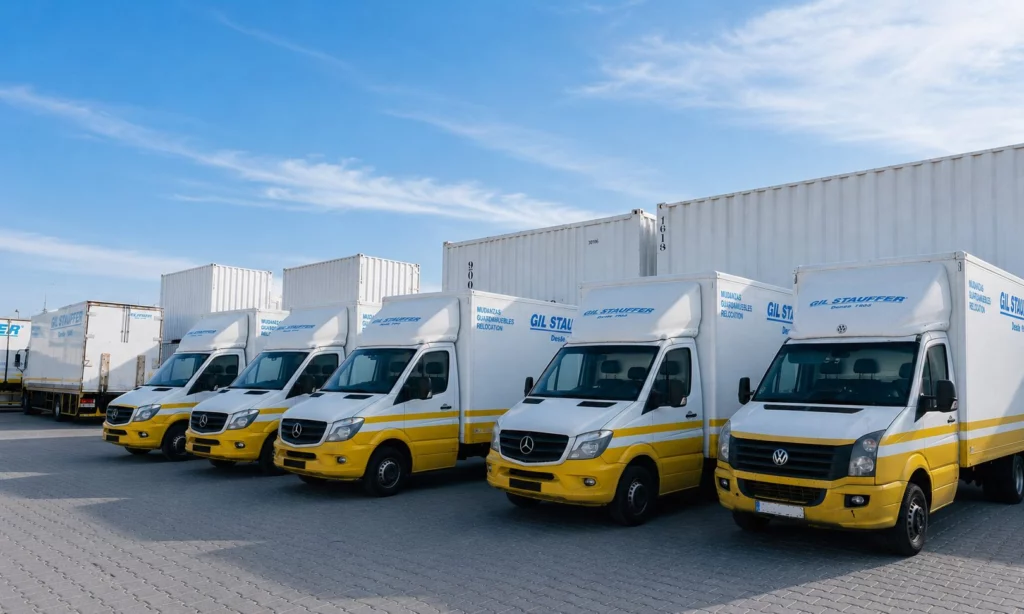
Moving to another country is exciting, but it is also one of the most complex logistical processes there is. Unlike a domestic move, it involves customs formalities, specific documents, international regulations and much longer transport times.
In 2026, with growing job mobility, remote working and relocations for personal or professional reasons, international moves from Spain keep increasing. That is why planning every detail in advance is essential to avoid surprises, delays and unnecessary costs.
Here are the main requirements and tips for organising an international move more simply and efficiently.
Requirements for an international move in 2026
Every country has its own rules on importing goods and personal belongings. Even so, some requirements apply to most international moves.
1. Have your personal documents in order
Before starting any move, check:
- A valid passport.
- A visa or residence permit, if required.
- An employment contract or academic documents if you are moving for work or study.
- Proof of registration or consular registration if the country requires it.
Many customs procedures depend directly on the owner’s legal status in the destination country.
2. A detailed inventory of your belongings
Most customs authorities ask for a full list of the items being shipped. It should include:
- The number of boxes.
- A general description of the contents.
- Approximate value.
- Special or high-value items.
Some destinations also require the inventory to be translated into the official language or English.
3. Comply with customs rules
Not every country allows the same products. Depending on the destination, there may be restrictions on:
- Food.
- Medicines.
- Plants and seeds.
- Electronic products.
- Alcoholic drinks.
- Untreated wooden items.
So it is essential to check the customs rules of your destination country beforehand.
Documents required by destination
Although every case is different, these are some of the most common documents in an international move:
- Passport or ID card.
- Visa or residence permit.
- Packing list or inventory of goods.
- Rental or purchase contract for your new home.
- Customs declaration.
- Transport insurance.
- Tax or import documents.
For destinations outside the European Union, such as the United States, the United Kingdom or Asian countries, controls are usually stricter and processing takes longer.
Within the European Union, moves are generally quicker as there are no complex customs formalities between member states.
Tips for a stress-free international move
Organisation makes the difference between a controlled move and a chaotic one. These tips can help simplify the process.
Plan well ahead
Ideally, start preparing your move one to three months in advance, especially if you are moving outside Europe. This lets you:
- Compare quotes.
- Sort out paperwork.
- Book transport.
- Organise your belongings without rushing.
Declutter before packing
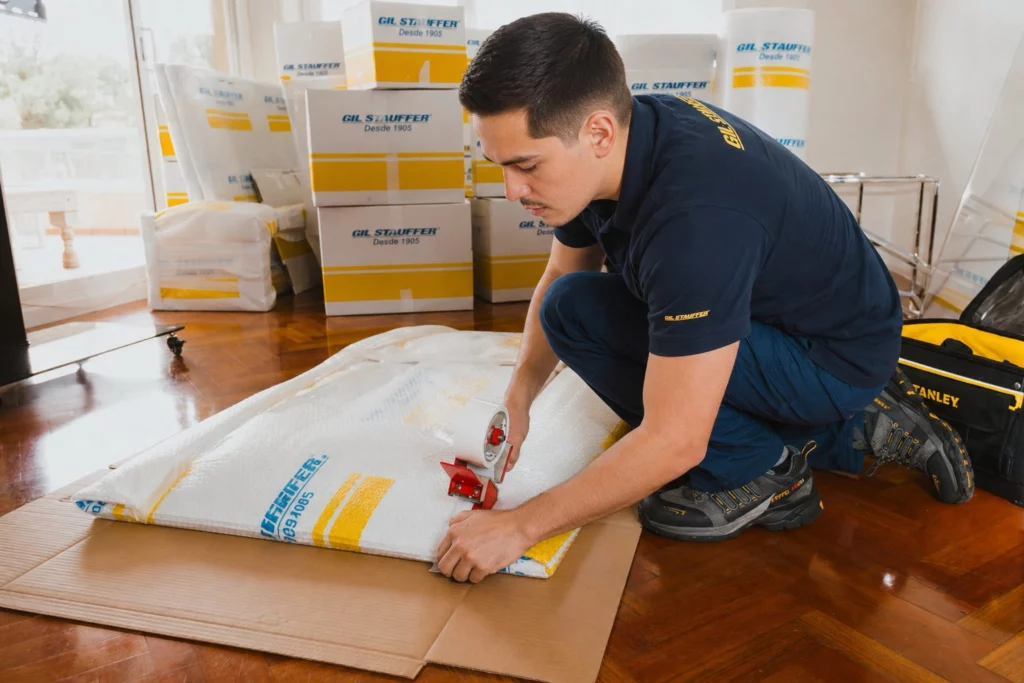
International moves are usually priced by volume or weight. Taking only what you need can significantly reduce the final cost. It’s a good moment to:
- Donate clothes or items.
- Sell furniture that isn’t worth shipping.
- Digitise documents.
Hire specialists
International moves require logistics coordination, customs experience and legal knowledge. A specialist company helps you avoid problems at the border, delays and lost paperwork. Many companies also offer:
- Professional packing.
- Customs management.
- Sea, road or air transport.
- Storage.
- International insurance.
Label every box
Labelling each box properly makes both transport and setting up at your new home easier. Ideally, include:
- The destination room.
- General contents.
- Unpacking priority.
How long does an international move take?
It depends mainly on the destination country and the type of transport.
Road transport
Common within Europe. It can take roughly 3 to 10 days.
Sea freight
The most common option for long distances or large volumes. Transit times usually range from 3 to 8 weeks.
Air freight
Much faster, but also more expensive. Usually used for urgent items or small moves.
Customs clearance time must be added to these timescales, especially in countries with more thorough checks.
Final checklist for your international move
Before you go, check this basic list:
- Check your passport and visas.
- Confirm the country’s customs requirements.
- Prepare a detailed inventory.
- Take out transport insurance.
- Compare removal quotes.
- Keep important documents separate.
- Label every box.
- Update your address and utilities.
- Book temporary accommodation if needed.
- Pack a basic bag for your first few days.
A new chapter that deserves good planning

An international move is much more than a simple transfer. It means adapting, starting afresh and plenty of preparation so that everything goes well.
Planning ahead, understanding your destination’s requirements and relying on specialists can turn a complex process into a much smoother, safer transition.
Because when the logistics are taken care of, it’s much easier to focus on what matters: starting a new life somewhere else.