A long-distance move is much more than taking boxes from one place to another. When the change means travelling hundreds of kilometres, organisation, logistics and protecting your belongings become even more important. Good planning reduces risk, saves time and ensures everything arrives in perfect condition.
If you are preparing a move to another province or a distant city, this guide will help you understand the key points so you can face the process with confidence.
What counts as a long-distance move?
A long-distance move is one between cities or provinces a considerable distance apart, usually more than 100 or 150 kilometres. Often it means moving between regions or even between countries.
Unlike a local move, it requires more detailed logistics planning, as factors such as transport routes, delivery times, scheduling and longer protection of the goods come into play.
That is why working with a specialist company is essential for a safe, efficient service.
Getting started: the essential checklist
Preparation is one of the biggest factors in a successful long-distance move. The earlier you start, the easier it is to avoid last-minute surprises.
Before moving day, make a list of tasks that includes:
- Requesting a quote and confirming the date.
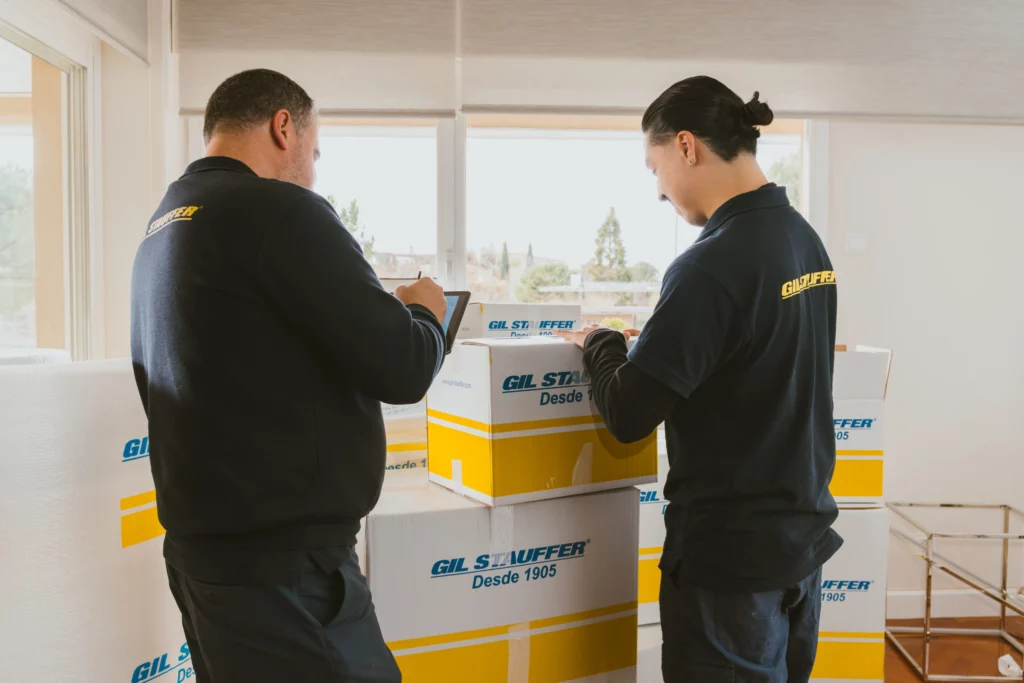
- Making a detailed inventory of your belongings.
- Sorting items by room.
- Getting rid of anything you no longer need.
- Arranging changes of address and utilities.
- Keeping important documents separately.
- Reserving parking or permits if needed.
This gives you more control over the whole move and makes organising things at your destination easier.
Specialist packing for long journeys
When items will spend hours or even days in transit, packing is essential. Vehicle vibration, movement during loading and unloading, and changes in temperature can affect some items if they are not properly protected.
For maximum security we recommend:
- Sturdy boxes in different sizes.
- Protective material for fragile items.
- Covers for mattresses and sofas.
- Reinforced packaging for electronic devices.
- Protection systems for delicate furniture.
Labelling every box also helps with distributing the load and unpacking at destination.
Proper preparation greatly reduces the risk of problems on the road.
Why route planning and delivery times matter
In long-distance moves, route planning is key. Choosing the best itineraries saves transport time and increases safety along the way.
Professional companies look in advance at factors such as:
- Total distance.
- Road conditions.
- Traffic restrictions.
- Loading and unloading times.
- Access at both properties.
This planning makes it possible to give realistic delivery estimates and minimise delays.
Constant communication between the company and the customer is also essential for proper tracking throughout the process.
Guarantees and security on long routes
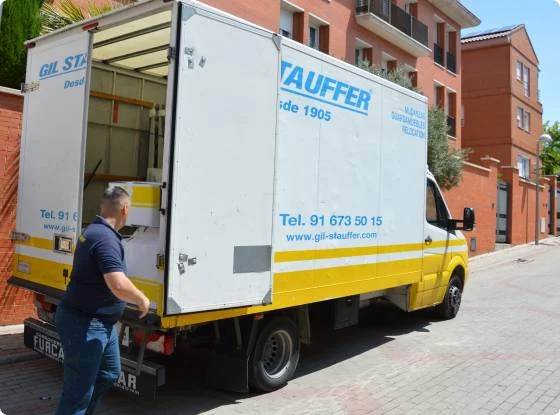
When a move covers long distances, protecting your belongings must be a priority. That is why you should work with companies that have the right vehicles, specialist staff and cover that gives you peace of mind.
Things to consider before booking include:
- Experience with long-distance domestic moves.
- Load protection and securing systems.
- Cover and guarantees included.
- A fleet suited to different needs.
- Tracking and coordination of the move.
These measures reduce risk and ensure every item arrives in the same condition it left.
Arriving at destination: getting organised without stress
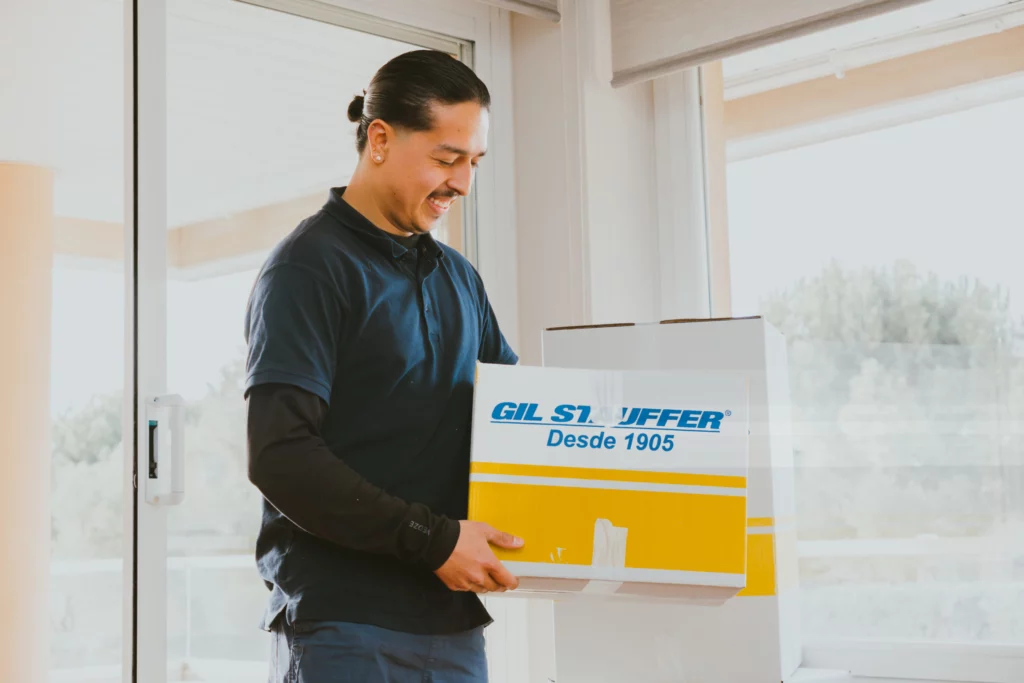
The final stage of a move is as important as the transport itself. Once your belongings reach your new home, good organisation will help you settle in.
It’s best to unpack the essentials first and distribute the boxes by room according to their labels. This speeds up setting up and avoids moving things around unnecessarily.
It’s also worth checking the inventory to confirm everything has arrived and planning furniture assembly in an orderly way.
With good coordination, settling in is much quicker and more comfortable.